Three great luminaries… (or, ‘how I wrote the book’), Part IV

VarroVerse, the third publication: Varro, and the Red Queen problem... (2010-2015) ‘Urban flux: Varro’s Rome-in-progress’, in The Moving City: Processions, Passages and Promenades in Ancient Rome. In Östenberg, I., Malmberg, S., and Bjørnebye, J. 2015 (eds.). London: Bloomsbury, pp. 99-110. Background In 2010 I received an intriguingly well-timed invitation from Ida Östenberg, Simon Malmberg, and … Continue reading Three great luminaries… (or, ‘how I wrote the book’), Part IV

Three great luminaries… (or, ‘how I wrote the book’), Part II

VarroVerse, the first publication: Cultural Memory and Varro (2009-2011) ‘“῾Ρωμαίζω… ergo sum”: becoming Roman in Varro’s de Lingua Latina’. In Bommas, M. (ed.) Cultural Memory and Identity in Ancient Societies. London: Continuum, pp. 43-60. Background In 2009, the Department took cultural memory* as a research theme, and I was invited to give a paper as part … Continue reading Three great luminaries… (or, ‘how I wrote the book’), Part II

Three great luminaries…(or, ‘how I wrote the book’), Part I

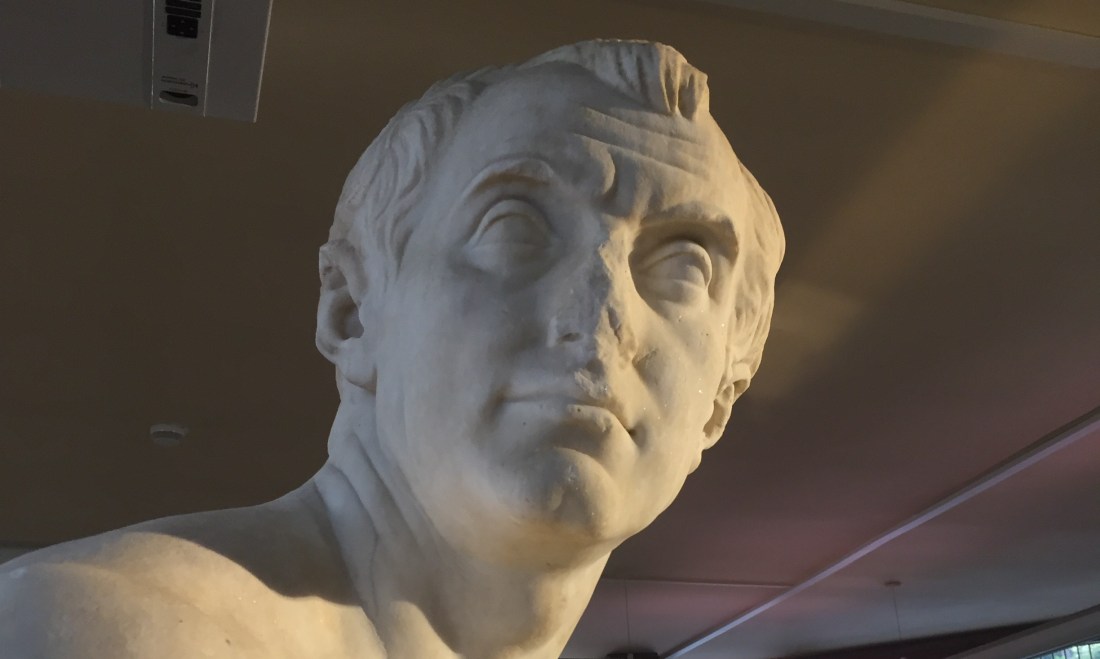
[M. Terentius Varro] Any discussion of the Roman Republic will sooner or later turn to figures such as Cicero and Julius Caesar, but this was an era of complex characters well equipped with great ambitions. It was also a time of intense creativity, and its volatile politics reflected a cultural upheaval that was as exciting … Continue reading Three great luminaries…(or, ‘how I wrote the book’), Part I

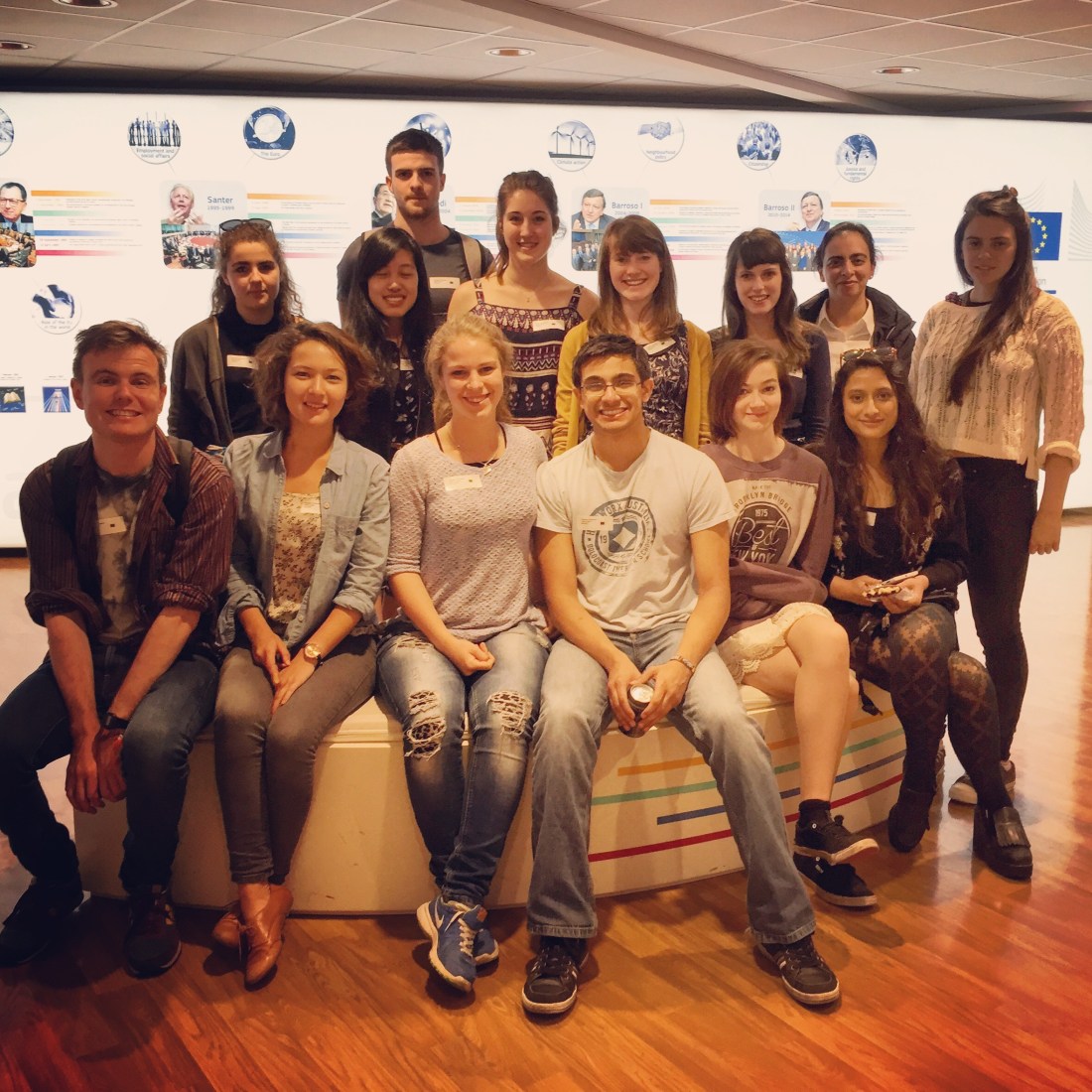
Evaluating Europe — the Second Years’ Brussels trip

Although Rome will always be the beating heart of my Europe, a working trip to Brussels was illuminating and I wrote up the adventure for the Liberal Arts and Sciences blog…

Diana Spencer's avatarliberal arts blog

One of the perks of my role as Dean is that I was in a position to develop and participate in our new annual trip for second year Liberal Arts and Sciences students, taking the group to the heart of Europe: Brussels. This built on their first and second year core modules, studying the nature of modernity and crises facing humanity, and helped us all as a group to think hard about recent and forthcoming flash-points relating to European and UK politics.

We are fortunate at the University of Birmingham to have close research and development ties with continental Europe, and the University has an office in Brussels giving us a base for engaging with policy developments across the Union. To get our second years in the mood, the big questions we posed for the trip were:

  • When you hear “Brussels”, what does it represent? Does this change over the course of…

View original post 1,446 more words